Editorial Travel Intelligence · Portugal 2026

Atlantic Horizons, Regal Heights & Stone Heritage

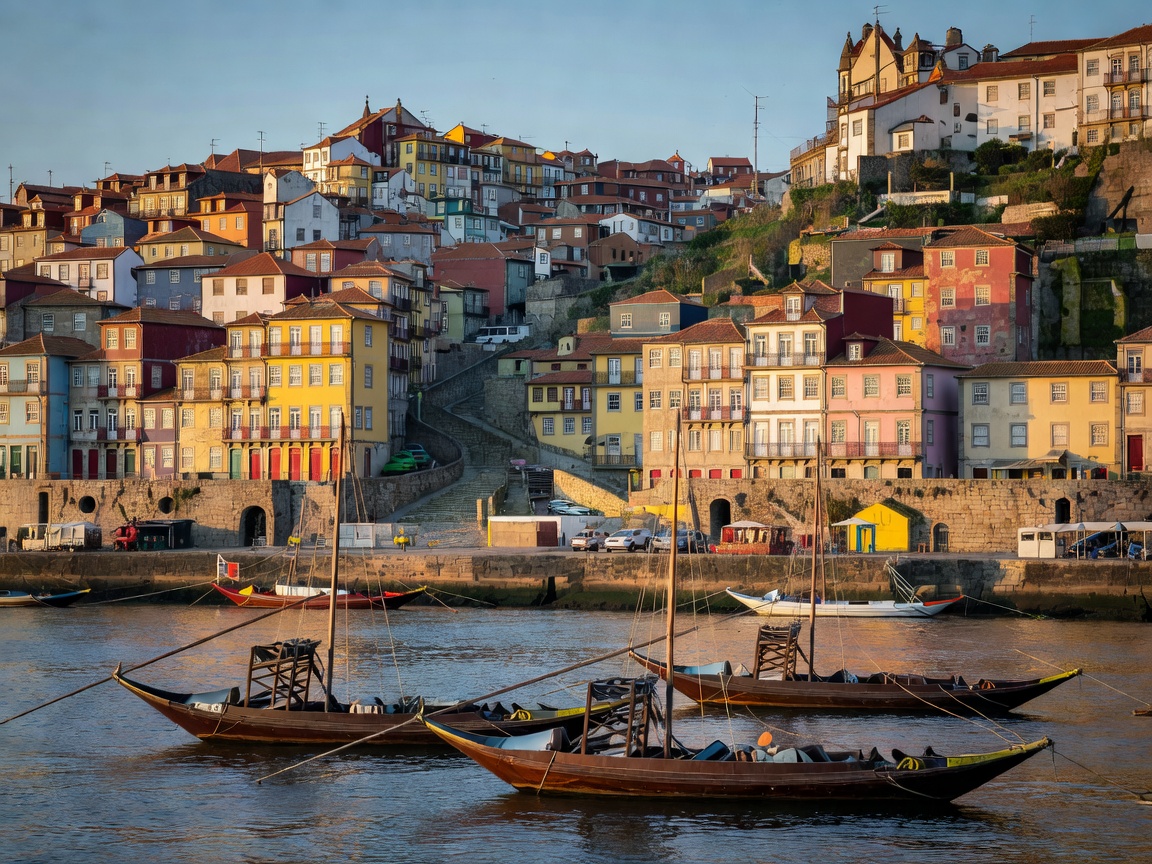
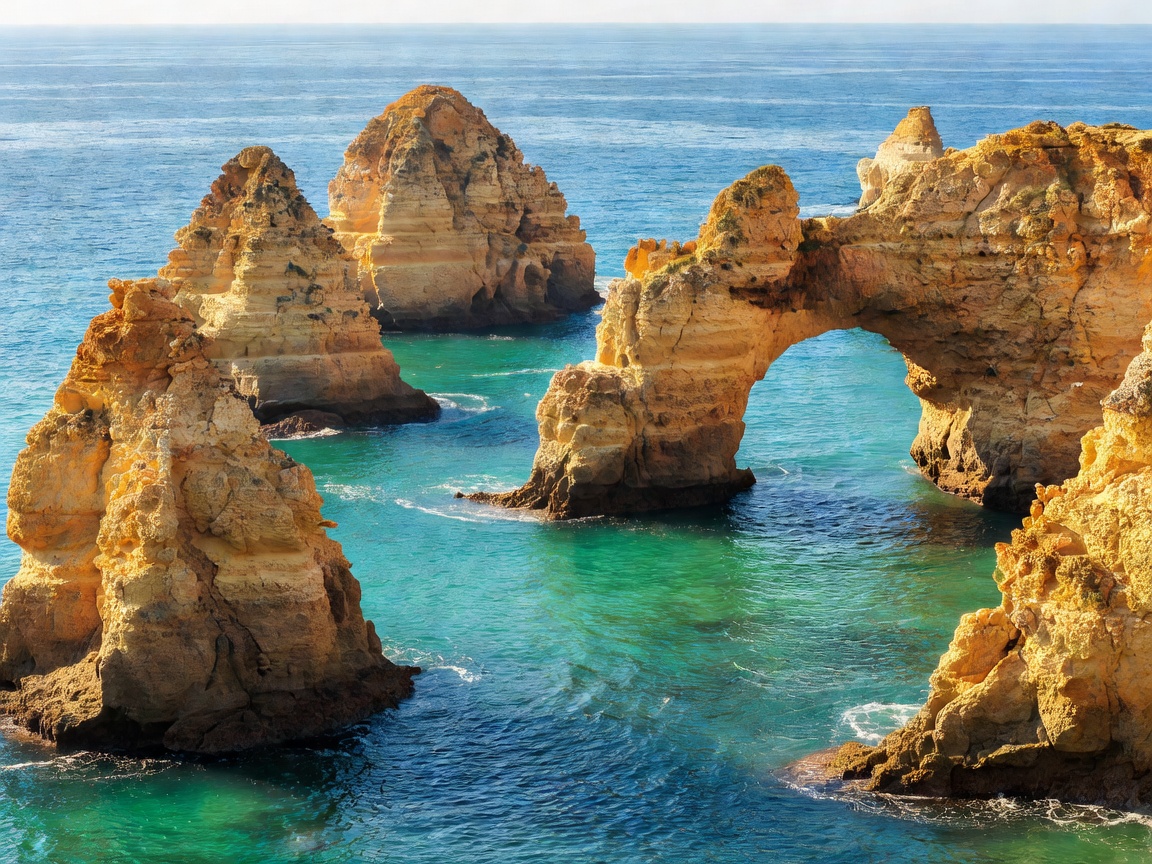
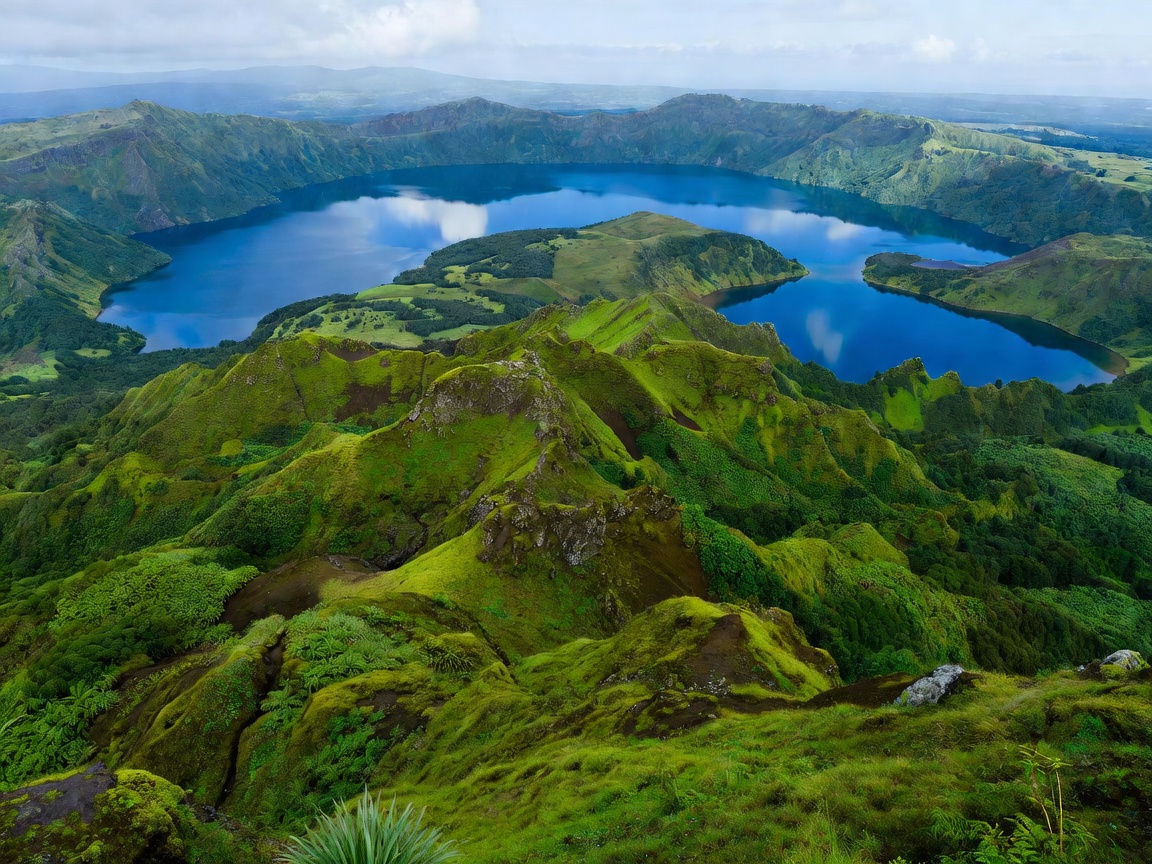
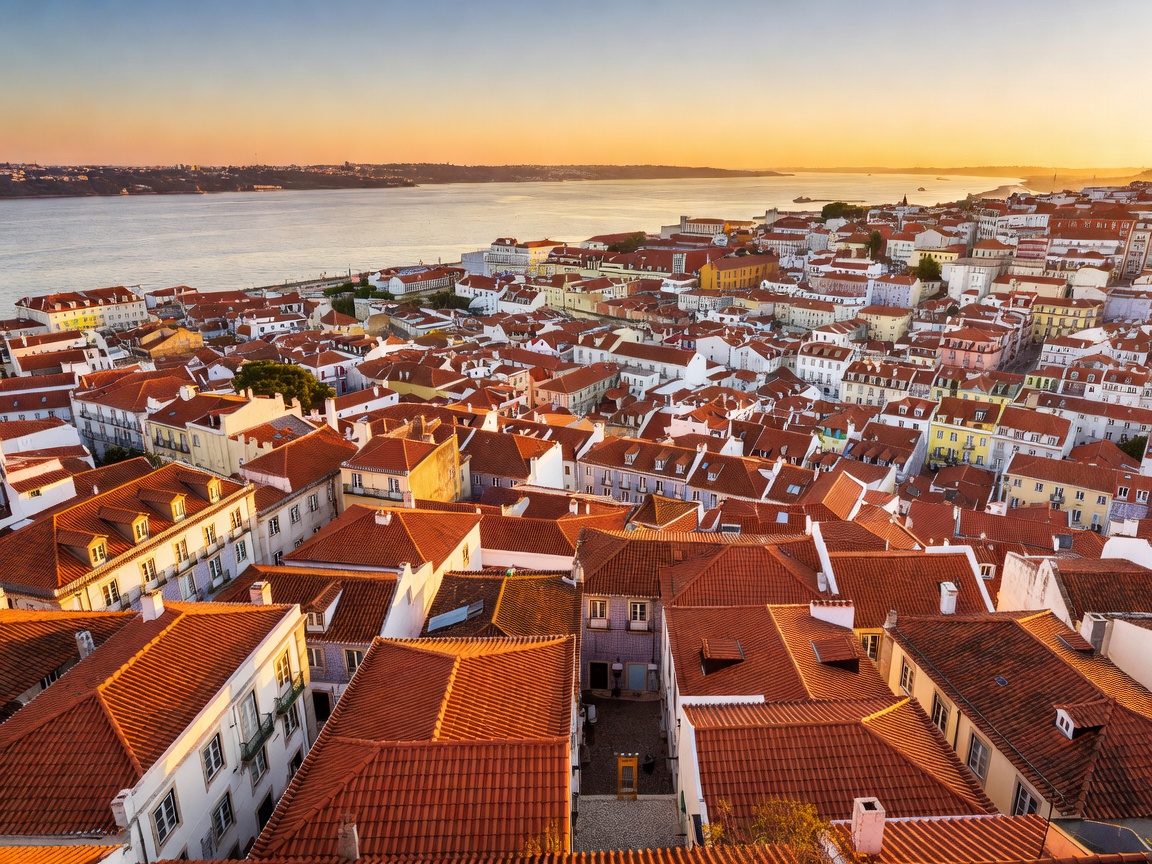
From the melancholic fado taverns of Lisbon's steep hills to the dramatic ocean stacks of the southern coast and volcanic caldera lakes in mid-ocean, our comprehensive dossier curates the definitive Portuguese journey.

Geographic Scope
1,794 Kilometres of Coastline
17 UNESCO World Heritage Sites
2 Atlantic Archipelagos
850+ Years of Maritime History
Selected Field Reports

Five Essential Portuguese Regions to Master

Detailed architectural context, timing advisories, logistical reality checks, and landscape photography vantage points structured for discerning travelers.

Editorial Framework

The Foundations of Portuguese Exploration

Understanding the structural layers that define Portugal's heritage, topography, and transit rhythms before stepping onto the calcada cobbles.

Geology & Maritime Climate

Portugal occupies the southwestern edge of the Iberian Peninsula. The cool Canary Current keeps Atlantic waters refreshing even in midsummer, while the northern Minho and Douro catch humid maritime fronts that yield verdant terraced valleys. South of the Tagus, Mediterranean light and arid plains dominate, terminating in warm limestone cliffs.

Manueline & Baroque Stonecraft

Portuguese architecture tells a direct tale of navigational triumph and religious power. Late Gothic Manueline craft incorporates ropes, armillary spheres, and sea flora sculpted into golden Ançã limestone. In the north, stark dark granite forms solemn Baroque facades, offset by cobalt blue hand-painted azulejo tiles.

Transit Logistics & Seasonality

High-speed Alfa Pendular trains link Lisbon to Porto in under three hours, yet mountain corridors and island outposts require targeted mobility plans. Shoulder seasons (April–May and September–October) provide optimal light, reduced queues at monuments, and moderate temperatures ideal for coastal trail navigation.